Cholesterol Screening
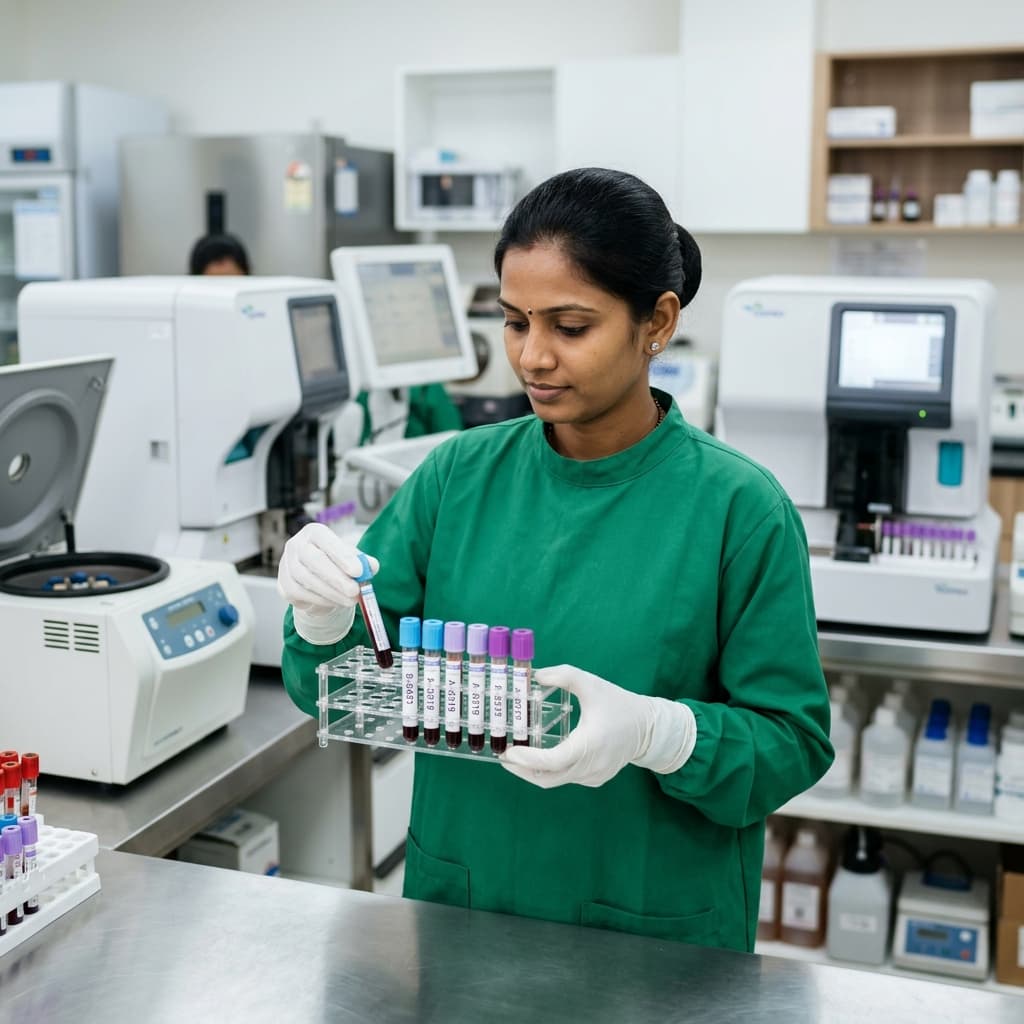
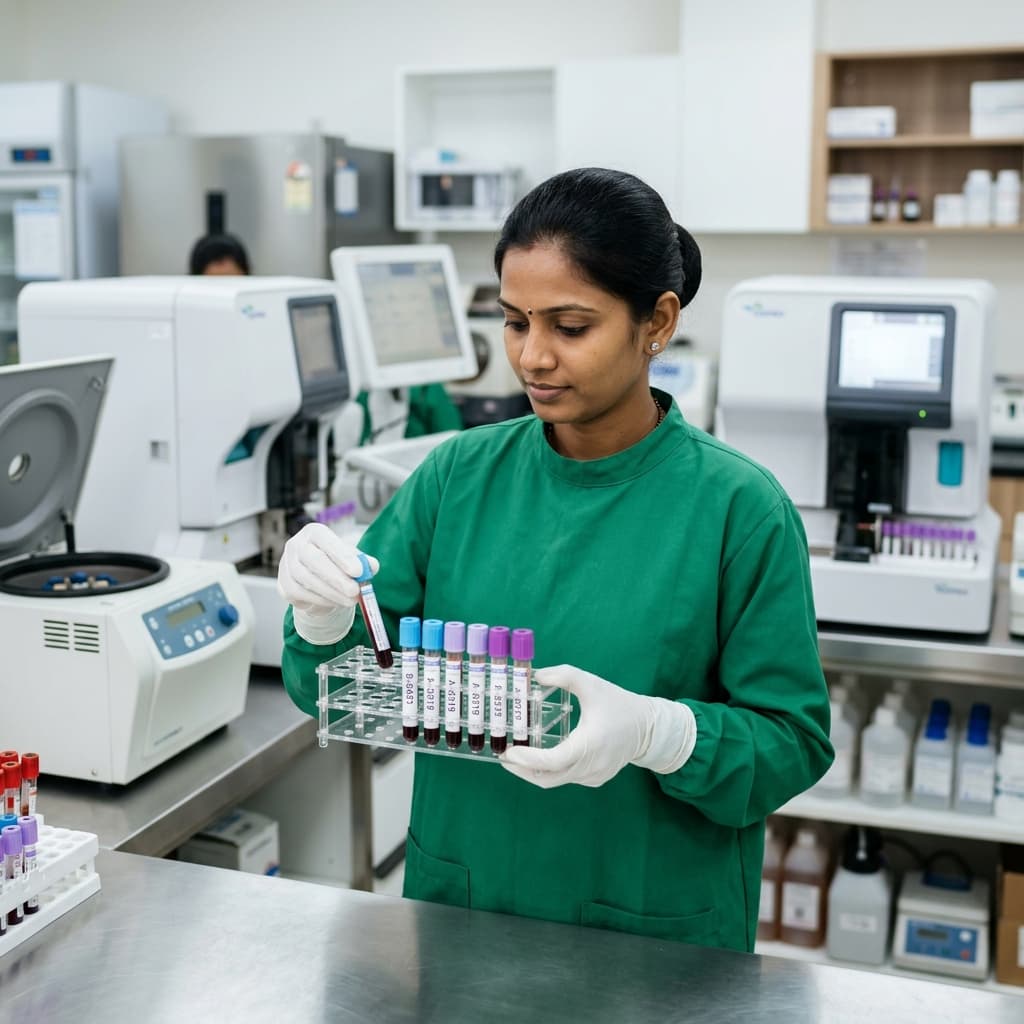
A cholesterol screening, also called a lipid panel or lipid profile, measures the amount of cholesterol and triglycerides in your blood. This test helps assess your risk of cardiovascular diseases by measuring the balance between "good" (HDL) and "bad" (LDL) cholesterols, as well as circulating fats (triglycerides).
Who Requires This
- Adults over 20 years old, as a preventive check every 4 to 6 years
- Individuals with a family history of early heart attacks or stroke
- Patients diagnosed with hypertension, diabetes, or obesity
- Individuals monitoring the effectiveness of cholesterol-lowering medications
Clinical Benefits
- Crucial tool in early identification of cardiovascular risk factors
- Empowers patients to make proactive dietary, lifestyle, and medical changes
- Highly objective metric to gauge cardiovascular health improvement over time
Preparation Guidelines
- A lipid panel typically requires fasting for 9 to 12 hours before the blood draw. Only water is permitted.
- Avoid high-fat meals and alcohol for 24 hours leading up to the test.
Procedure Walkthrough
The test is performed using a standard blood draw from a vein in your arm.
The sample is analyzed for Total Cholesterol, HDL, LDL, and Triglycerides.
Common Questions
What is the difference between HDL and LDL?
LDL (Low-Density Lipoprotein) is called "bad" cholesterol because it can build up in your artery walls. HDL (High-Density Lipoprotein) is "good" cholesterol because it carries cholesterol from other parts of your body back to your liver to be removed.
Schedule Your Appointment
Get in touch with our clinical receptionists via WhatsApp or phone registry to schedule your scan.
Appointment hours are subject to slot availability. Free physician reference advice available on request.
Related Diagnostic Services
Explore other professional diagnostic scans and specialized lab test capabilities.
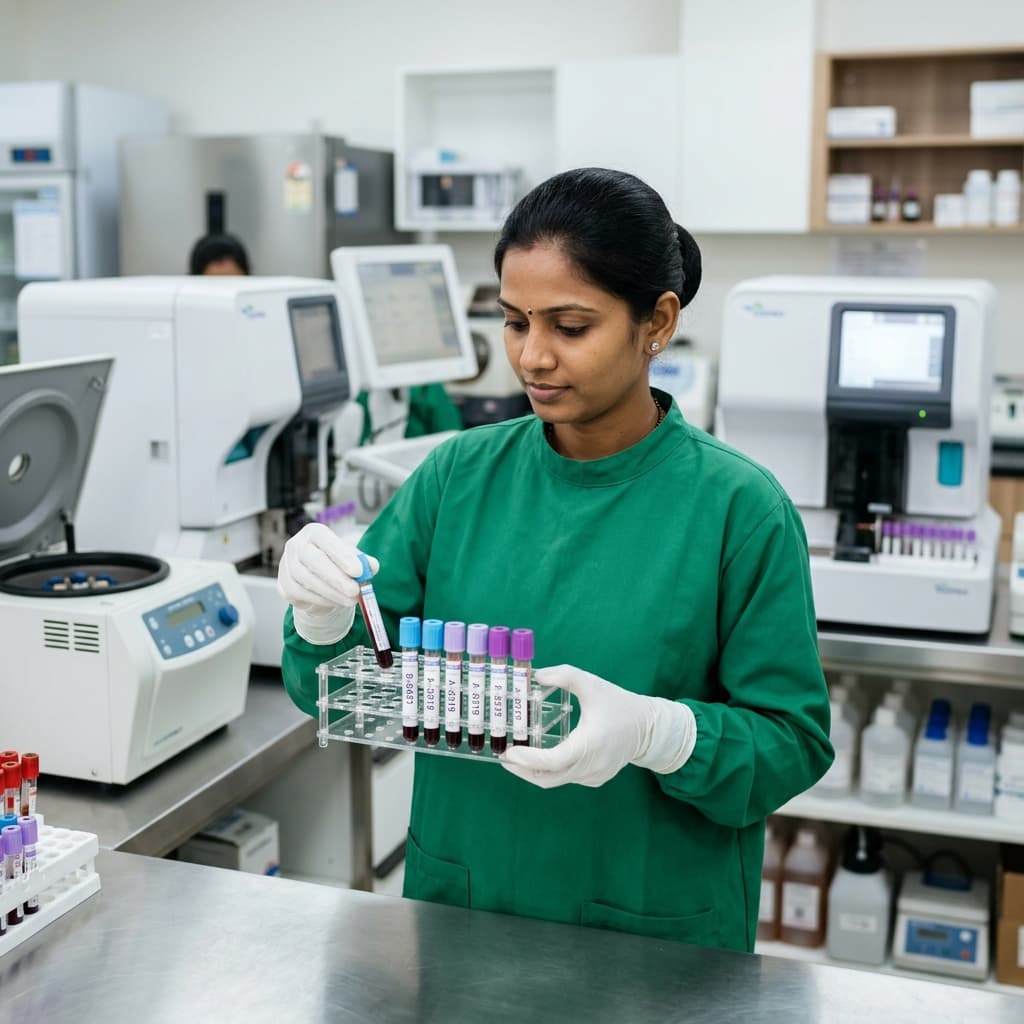
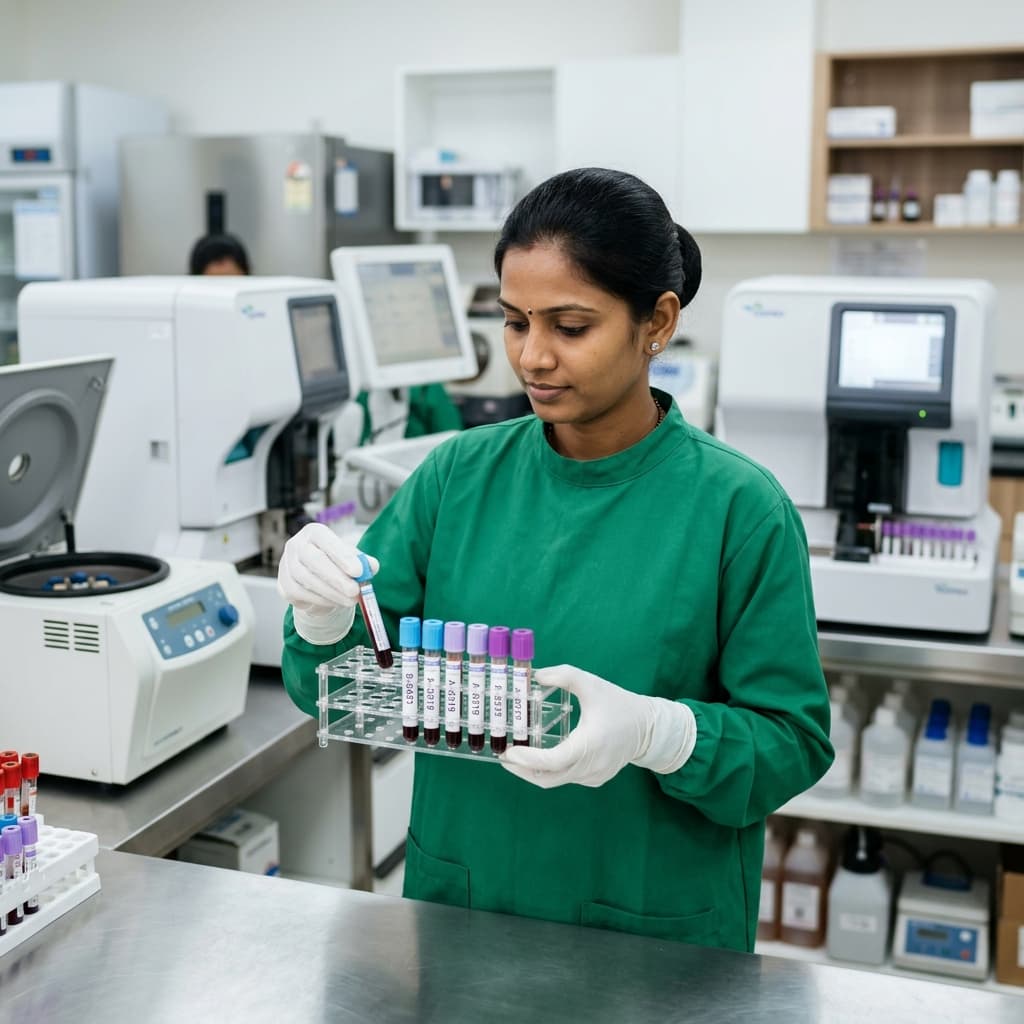
Blood Tests
Comprehensive haematology and biochemistry profiling from sample extraction to detailed analysis.
Urine Analysis
Physical, chemical, and microscopic examination of urine to detect renal disorders and systemic diseases.
Hormone Testing
Targeted endocrine profiling including thyroid, reproductive, and metabolic hormone assays.