CT Scan
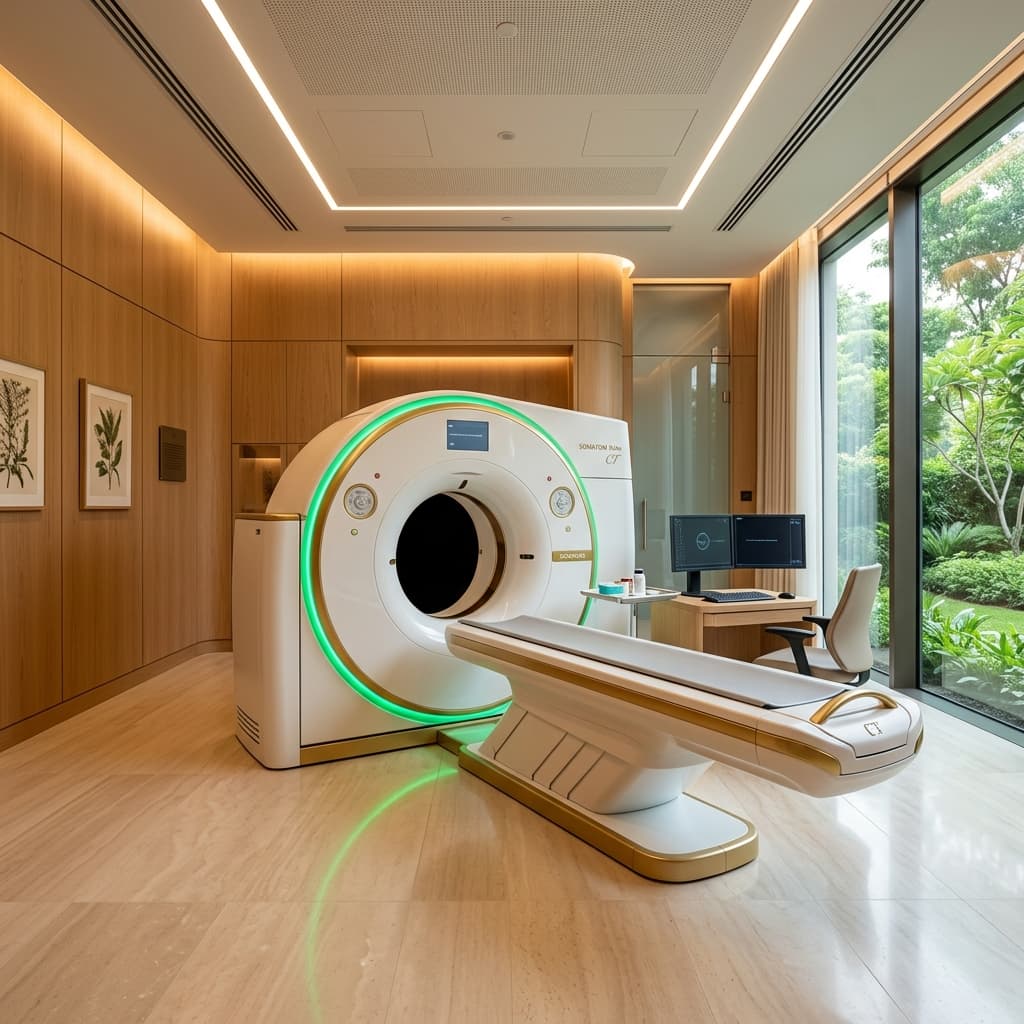
Computed Tomography (CT) scans combine a series of X-ray images taken from different angles around your body and use computer processing to create cross-sectional images (slices) of the bones, blood vessels, and soft tissues. This technology provides far more detailed information than normal X-rays, making it essential for complex diagnostic workflows.
Who Requires This
- Patients showing symptoms of internal injury or trauma
- Individuals requiring detailed bone and joint scanning
- Physicians needing precise tumor localized tracking and staging
- Patients undergoing evaluation for cardiovascular blockages or circulatory conditions
Clinical Benefits
- Extremely rapid scanning time, essential for trauma and emergency diagnoses
- High-contrast detail displaying bone, soft tissue, and blood vessels simultaneously
- Non-invasive diagnostic alternative to exploratory surgeries
- Highly accurate guidance tool for needle biopsies and surgical planning
Preparation Guidelines
- Wear loose, comfortable clothing. You may be asked to change into a surgical gown.
- Remove all metal objects, including jewelry, hairpins, and eyeglasses, as they interfere with the scan.
- If your scan requires contrast material, fast for 4 to 6 hours prior to the scan.
- Inform our technicians if you are pregnant, suspect you might be, or have history of kidney disease or contrast allergies.
Procedure Walkthrough
You will lie down on a motorized examination table that slides through a circular scanner opening.
For contrast CTs, an intravenous line (IV) will be placed to administer the contrast dye.
During the scan, the table moves slowly, and the CT scanner rotates around you to capture slices.
The technologist will monitor you from an adjacent control room; you can communicate through an intercom.
You will be asked to hold your breath for a few seconds to prevent image blurring.
Common Questions
What does the contrast material do?
Contrast material highlights specific areas of your body, making blood vessels, intestines, and organs easier to see in the scan images. It helps radiologists distinguish normal tissue from abnormalities.
Is a CT scan painful?
The scan itself is completely painless. You may feel a brief warm sensation if contrast dye is injected, or mild discomfort from lying still on the examination table.
Schedule Your Appointment
Get in touch with our clinical receptionists via WhatsApp or phone registry to schedule your scan.
Appointment hours are subject to slot availability. Free physician reference advice available on request.
Related Diagnostic Services
Explore other professional diagnostic scans and specialized lab test capabilities.
Ultrasound Scan
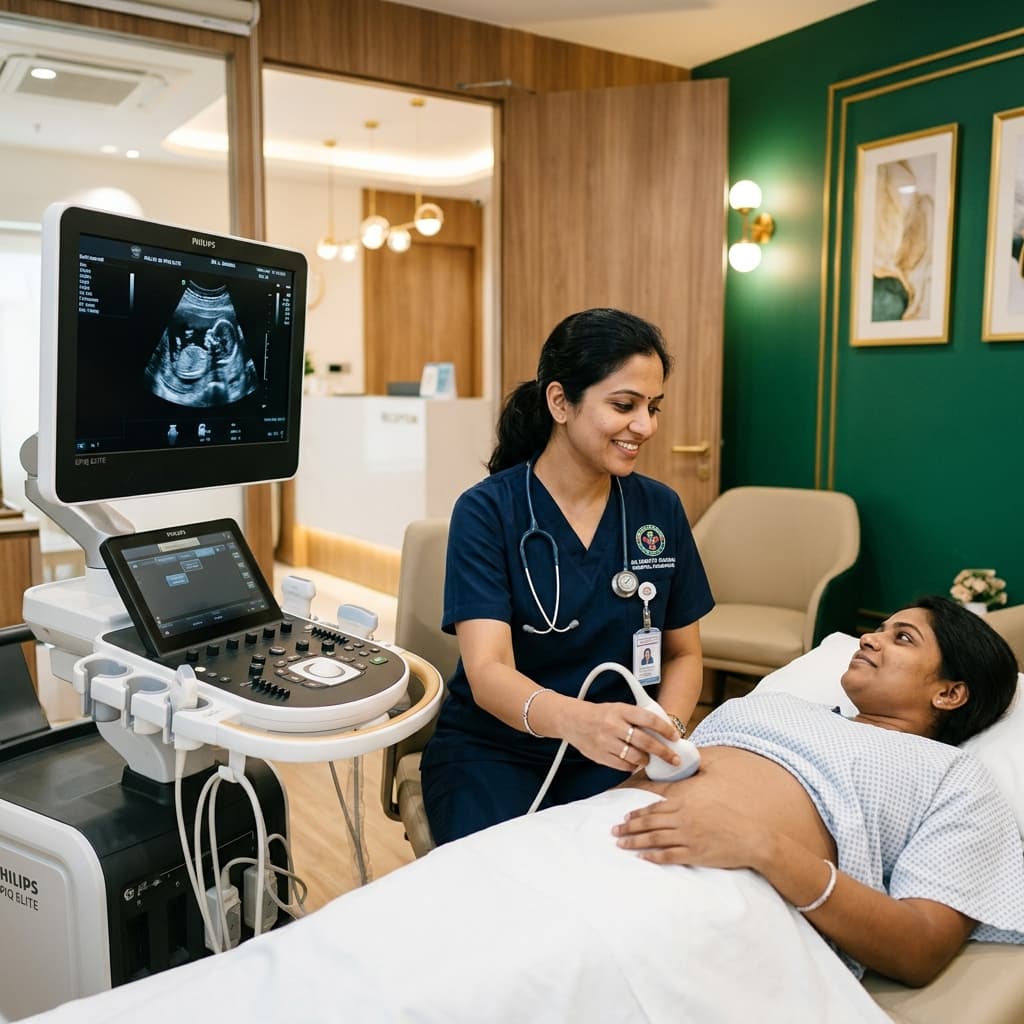
Non-invasive high-frequency sound wave diagnostic mapping internal organs, abdominal structures, and obstetric growth.
Digital X-Ray
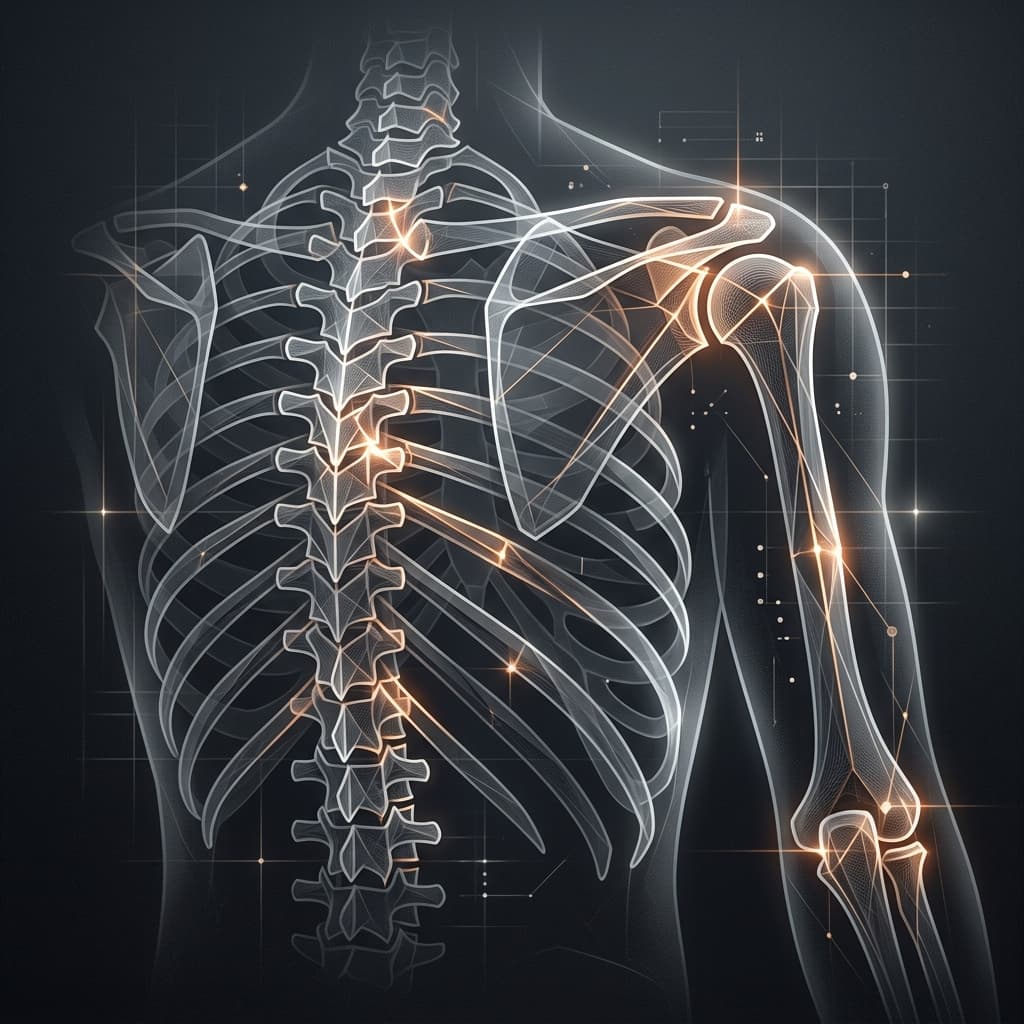
Low-dose, high-speed digital radiography providing immediate, crystal-clear skeletal and respiratory imaging.
Sonomammography
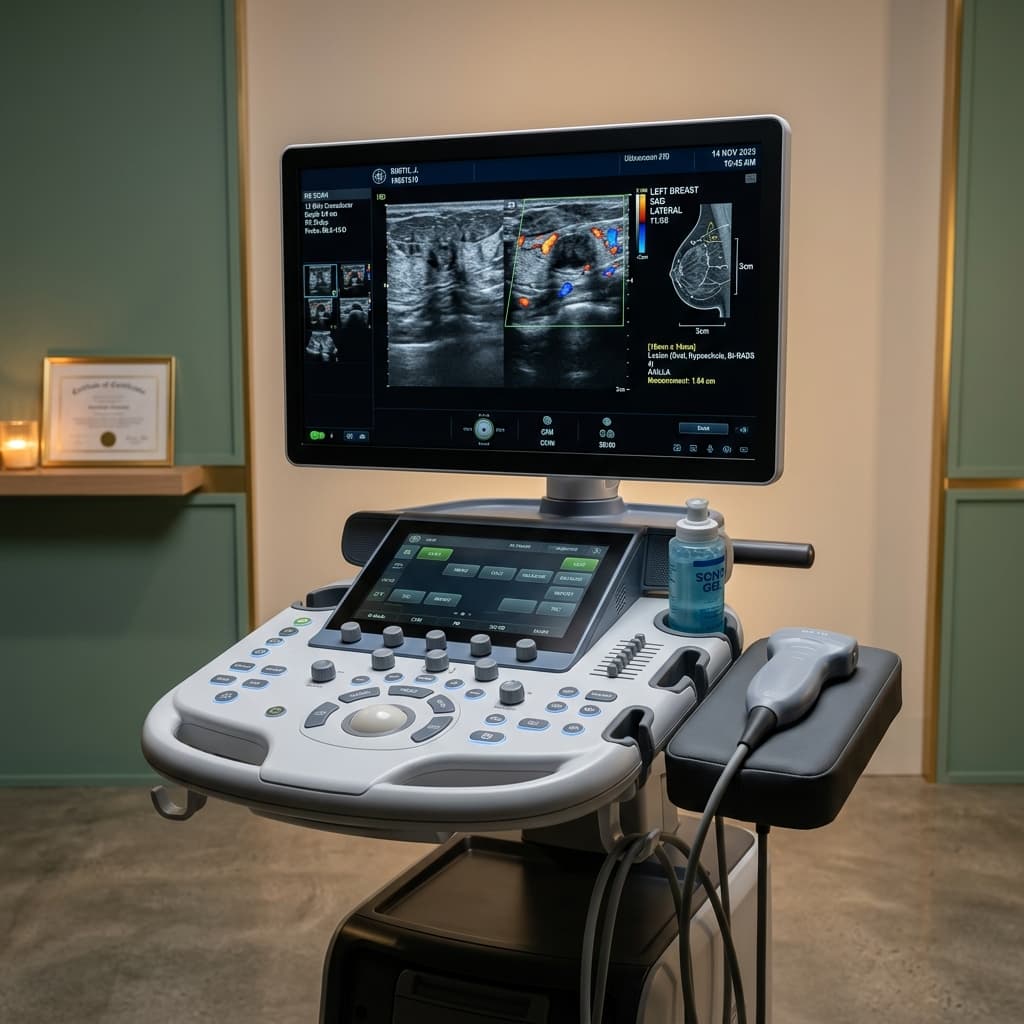
High-frequency ultrasound imaging designed for detailed breast tissue assessment and early anomaly detection.